An implant is a surgical procedure followed by a restoration you will use for years, so how a clinic plans and carries out the work matters as much as the fee. These are the checks worth making before you book, and the questions that show how the treatment will be planned.
In short
|
What this guide covers
- What a good implant consultation looks like
- How the implant will be planned
- Find out who carries out each stage
- If you need a bone graft or sinus lift
- How to ask about experience
- The implant system and its records
- Expect a written, itemised plan
- The alternatives to an implant
- Your health, smoking and healing
- Follow-up and maintenance
- Signs to slow down and get a second opinion
- Implant treatment at Misora Dental
- Frequently asked questions
Choosing an implant dentist in Singapore often starts with a search, a shortlist of clinics and a comparison of fees. The fee tells you little until you know how the treatment will be planned and who will carry out each stage. This guide covers what good planning includes, the questions to ask at the consultation, and the warning signs that justify a second opinion.
What a good implant consultation looks like
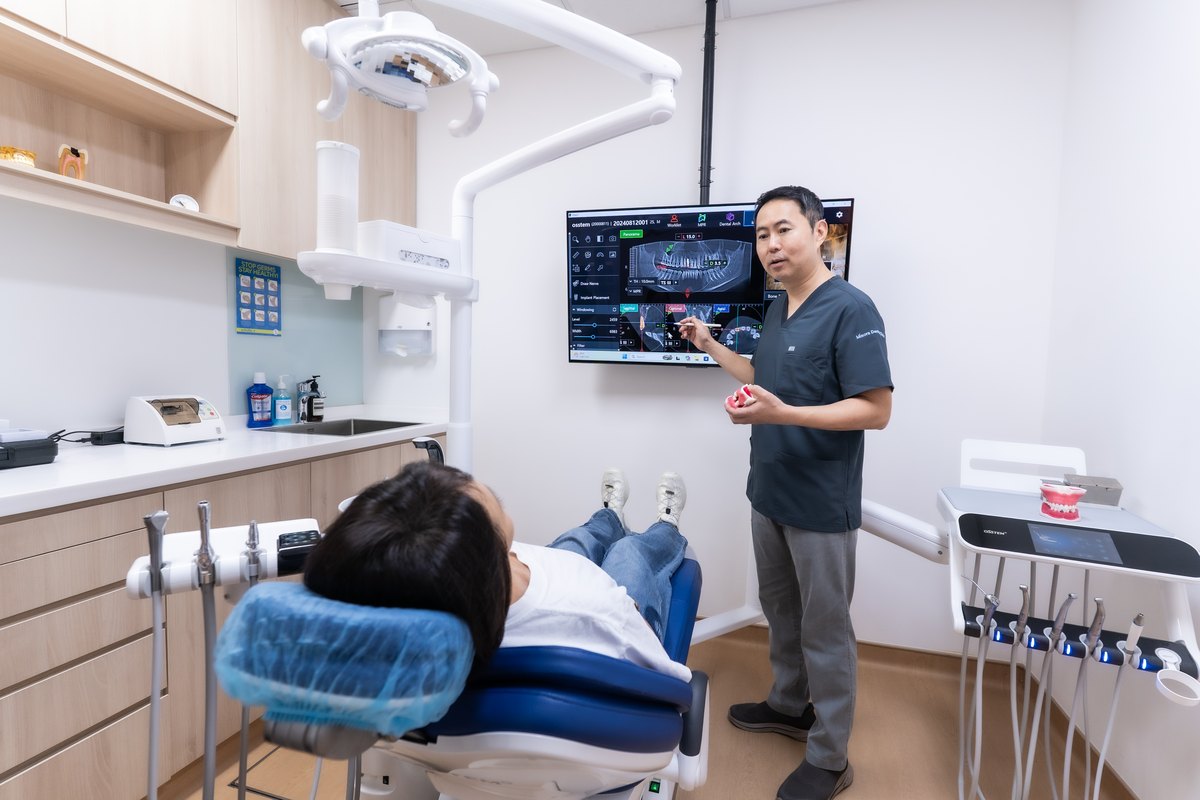
A first implant consultation is mostly listening and looking. Expect questions about your health and medicines, an examination of the gap and the teeth around it, and imaging. The dentist should then explain what they found, whether an implant suits your case, what else could replace the tooth, and what each option involves.
You should leave with time to think. A written plan and quotation, handed over at the end of the visit or sent afterwards, lets you compare like with like if you see another dentist. Surgery booked before you have seen anything in writing is a reason to pause.
How the implant will be planned
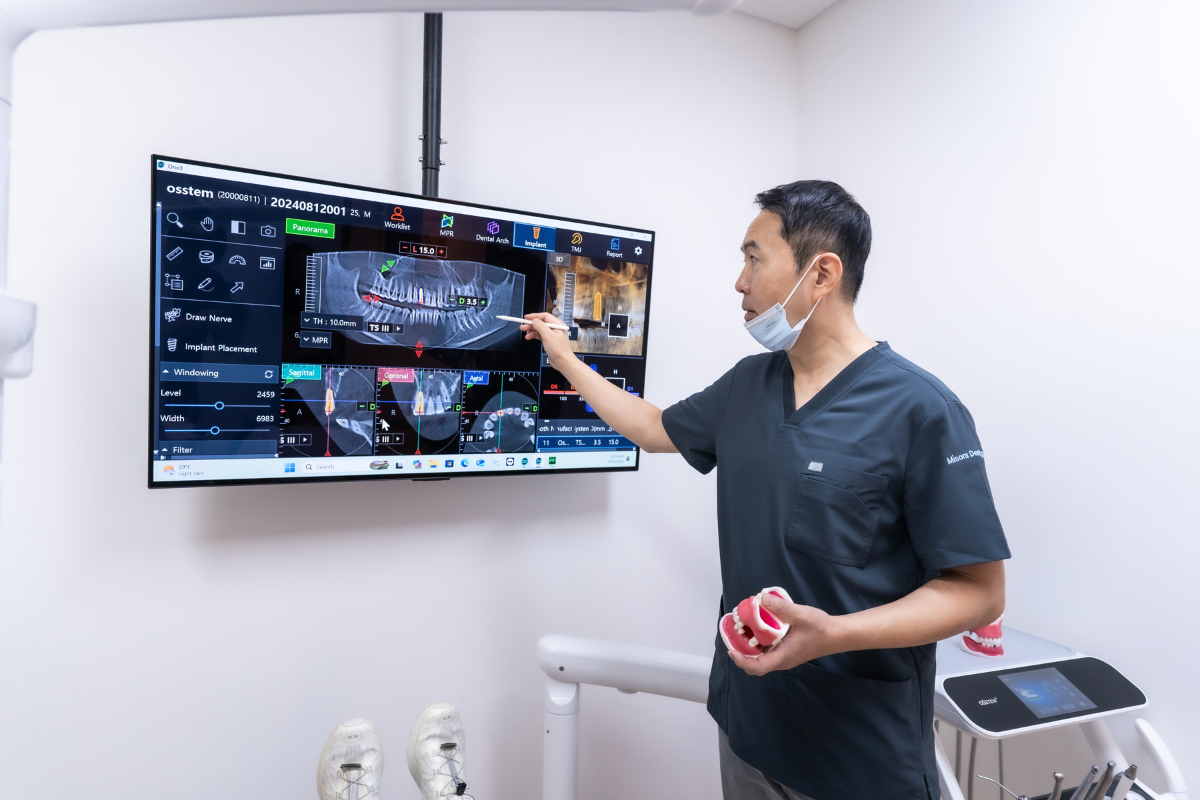
An implant sits in bone close to structures that must be avoided. In the lower jaw, the nerve that gives feeling to the lip and chin runs through a canal in the bone. In the upper back jaw, the maxillary sinus sits just above the roots. A flat X-ray cannot show the width of the bone or the distance to either of these in three dimensions.
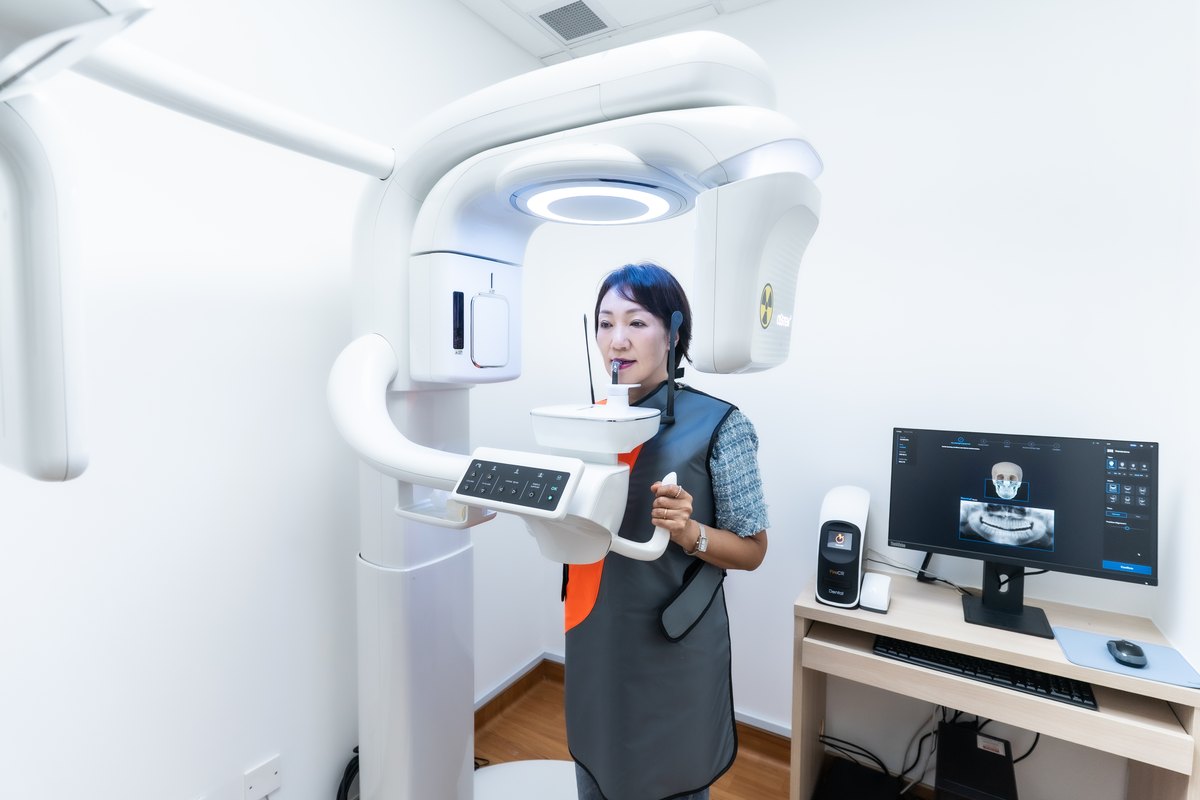
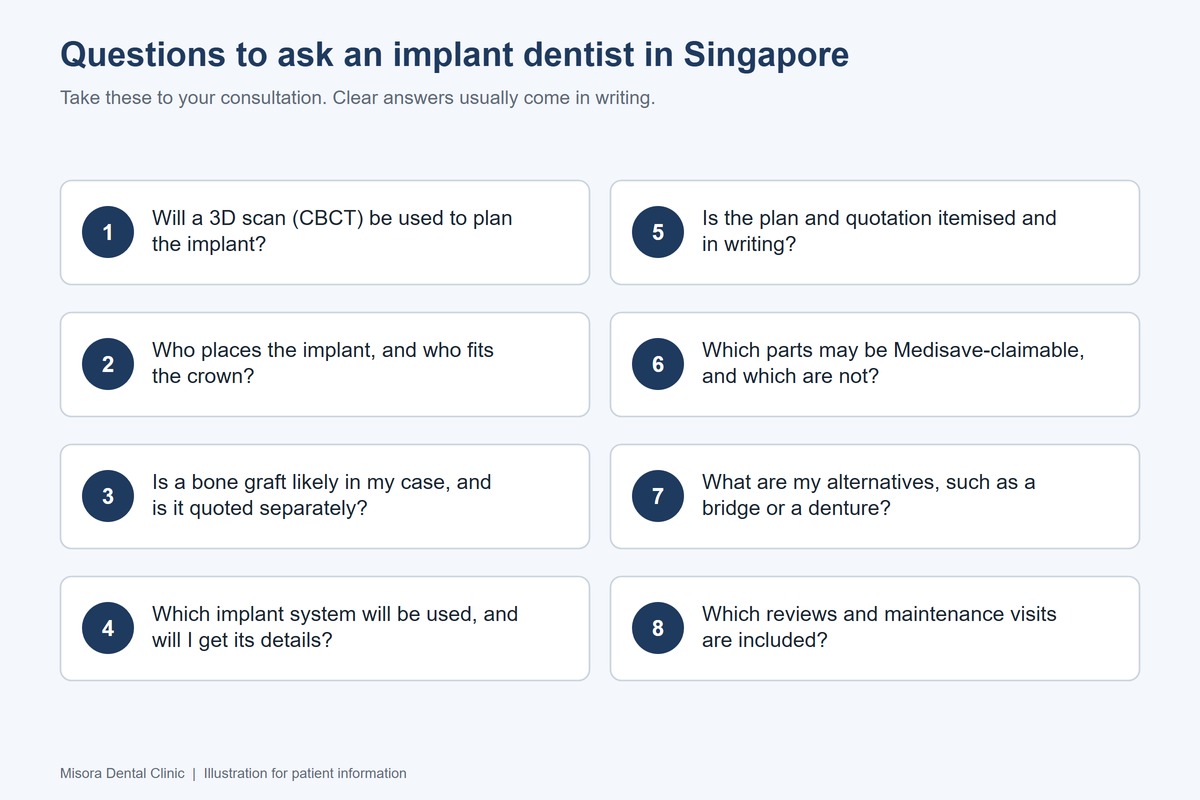
Cone beam computed tomography, or CBCT, can. The American Academy of Oral and Maxillofacial Radiology recommends cross-sectional imaging to assess implant sites, with CBCT as the method of choice (Tyndall et al., 2012). Ask whether a CBCT scan is part of your planning and what the dentist will measure on it.
Planning should start from the tooth that will sit on top. The crown’s position decides where the implant needs to go, so the plan should show both. Some clinics also use the scan to make a surgical guide, a template that directs the drill to the planned position. Find out whether one will be used in your case, and the reason.
Find out who carries out each stage
Implant treatment has two stages. The surgical stage places a titanium fixture in the bone. After healing, often three to six months, the restorative stage connects an abutment and fits the crown. Some patients have both stages with one dentist. Others are referred between a surgeon and a restorative dentist. Either arrangement can work when one plan covers both.
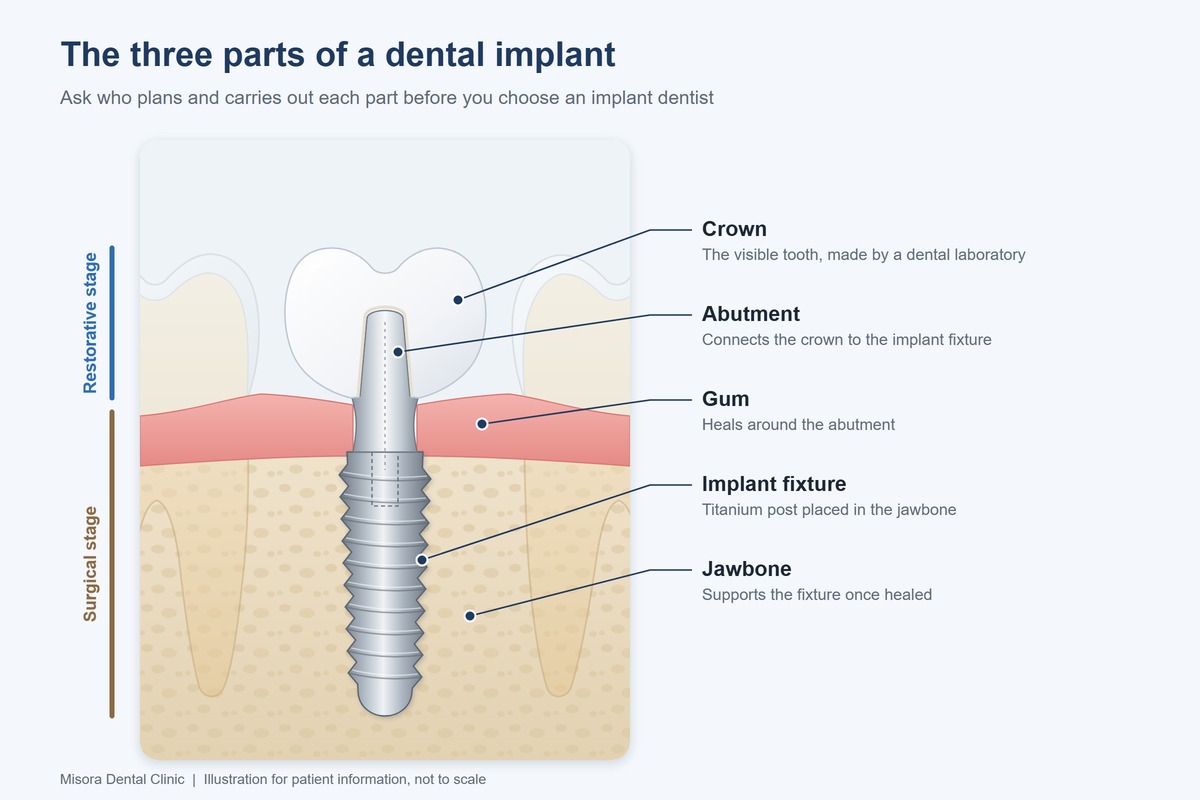
Ask who will do each stage, who to contact if something comes up in between, and who looks after the implant afterwards. If the crown loosens or the bite feels wrong years later, you will want to know who to call.
If you need a bone graft or sinus lift
After a tooth is lost, the bone that held it gradually shrinks. If there is not enough height or width for an implant, the plan may include a bone graft, where bone or a bone substitute is added to the site. In the upper back jaw, a sinus lift makes room for the implant by raising the floor of the sinus. Either can add months of healing before the implant can carry a crown.
Ask whether grafting is likely in your case, how it changes the timeline, and whether it is quoted separately. The CBCT scan usually answers the first question before surgery is booked.
Planning should start from the tooth that will sit on top.
How to ask about experience
Experience is a fair thing to ask about, and how you ask decides how useful the answer is. A total number of implants placed tells you less than how often the dentist treats cases like yours, such as a single front tooth, a molar with limited bone, or several missing teeth. Ask how the dentist plans that kind of case, what tends to complicate it, and how complications are handled if they happen.
The implant system and its records
Many manufacturers make implants, and parts from one system do not always fit another. Find out which system will be used, and keep a record of the brand, the implant size and the batch details. If a screw or the crown needs attention in ten years, at the same clinic or another, that record lets the next dentist order the right parts.
Expect a written, itemised plan
Before any surgery is booked, you should receive the plan and the quotation in writing. Each stage should be listed separately: consultation and scans, any extraction or bone graft, implant placement, the abutment, the crown, and the reviews afterwards.

Medisave note The surgical placement of an implant may be Medisave-claimable subject to classification under MOH’s Table of Surgical Procedures, and eligibility depends on CPF rules and your account. The crown and abutment are not Medisave-claimable. A quotation that separates the two shows you what to expect before treatment starts. |
Our guide to Medisave for dental implants explains the claim process, and our guide to dental implants in Singapore covers costs and the full procedure.
The alternatives to an implant
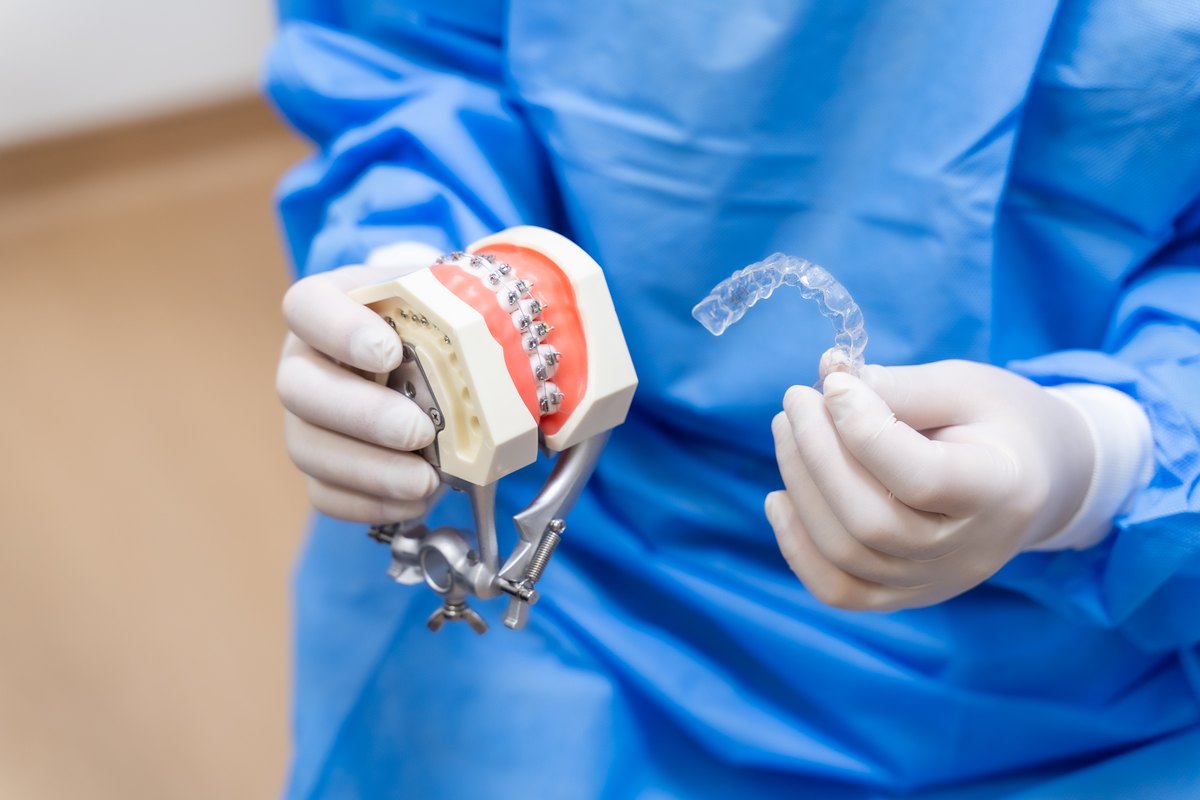
An implant is one way to replace a missing tooth. A bridge or a denture may suit you better, depending on the neighbouring teeth, your bone, your health and your budget. A dentist who explains why an implant is or is not the right choice for you, and what each alternative involves, is giving you what you need to decide. Our comparison of dental implants and bridges sets out the trade-offs.
Your health, smoking and healing
A proper assessment covers more than the tooth. Diabetes, some medicines that affect bone, previous radiotherapy to the head and neck, and gum disease can all change the plan or its timing.
Smoking matters too. A meta-analysis of studies covering more than 20,000 implants found the odds of implant failure were about twice as high in smokers (Moraschini and Barboza, 2016). If nobody asks about your health and habits before surgery is planned, ask why.
Follow-up and maintenance
Implants need the same daily care as natural teeth, plus regular professional reviews. Inflammation of the gum around an implant, called peri-implant mucositis, can progress to bone loss around it, called peri-implantitis. Well-placed and well-maintained implants can function for many years, and maintenance is part of that.
At a maintenance visit, the gum around the implant is checked and cleaned with instruments that will not scratch its surface, and the bite is checked. An X-ray at intervals shows whether the bone level around the implant is holding steady.
Ask which reviews are included, how often the implant will be checked and X-rayed, and what happens if a screw loosens or the crown chips.
Signs to slow down and get a second opinion
Any one of these is reason enough to pause before you commit:
- A fee quoted before any examination or scan
- Pressure to decide or pay on the day of the consultation
- Promises that the implant will never fail or will last a lifetime
- No discussion of alternatives, risks, or what happens if healing does not go to plan
- Medisave described as covering the whole treatment
- No written plan or itemised quotation
A second opinion is reasonable before any treatment that is costly or cannot be undone. Bring your scan and plan so the second dentist works from the same information.
Implant treatment at Misora Dental
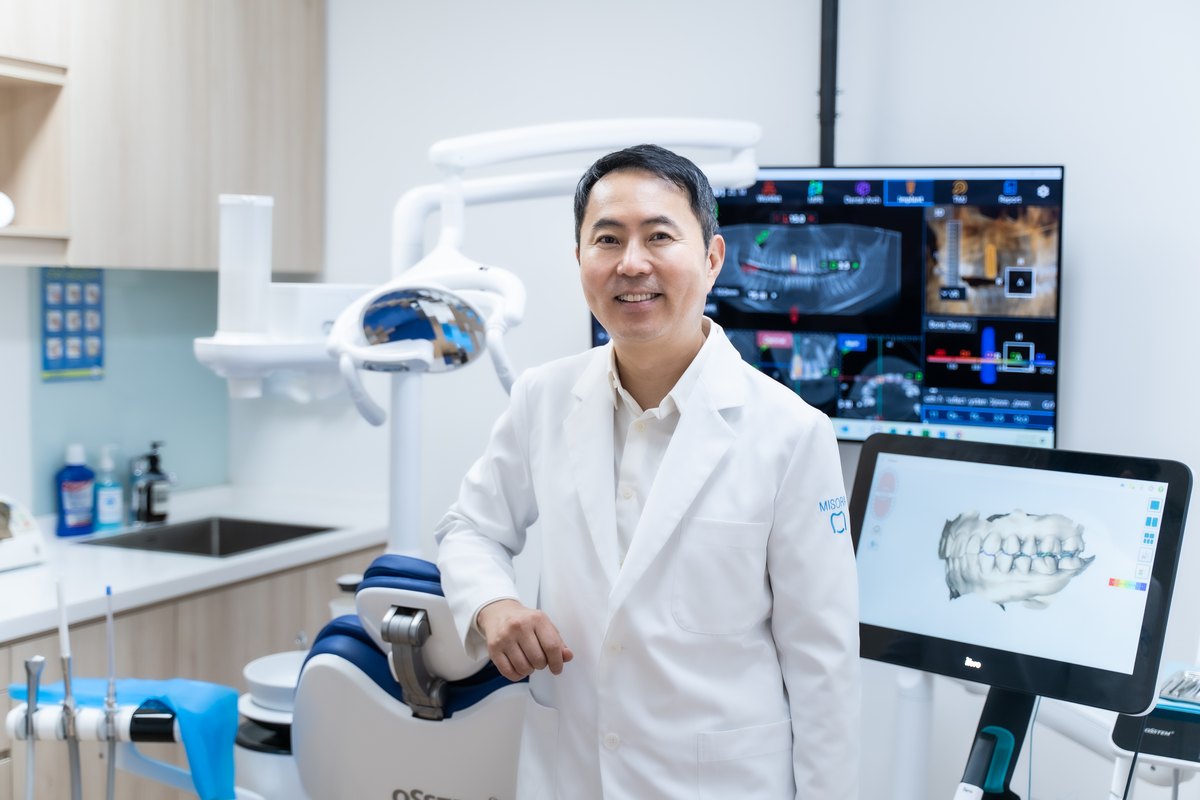
At Misora Dental, every patient is assessed and treated by Dr. Kang directly, from the planning scan through to the crown. Dr. Kang holds a DDS from Columbia University, New York, and has practised for over 30 years in Seoul and Singapore. His practice focuses on crowns, bridges, veneers and implant restorations.
Read about dental implant treatment at Misora, meet Dr. Kang, or see what implant surgery feels like. Korean and Japanese coordinators are available at our clinic in Lucky Plaza, Orchard Road.