
Ultra-thin porcelain veneers fabricated in Korea for natural aesthetic outcomes. A conservative approach is used with minimal tooth reduction. Each case is assessed and managed in-clinic, with Korean and Japanese coordinators supporting communication.

Misora offers ultra-thin porcelain veneers fabricated in Korea. These veneers are designed to preserve natural tooth structure, with minimal or no preparation in suitable cases. Each case is assessed individually. Veneers are precision-crafted by specialist dental ceramicists using materials and techniques developed in Korea’s aesthetic dentistry field.

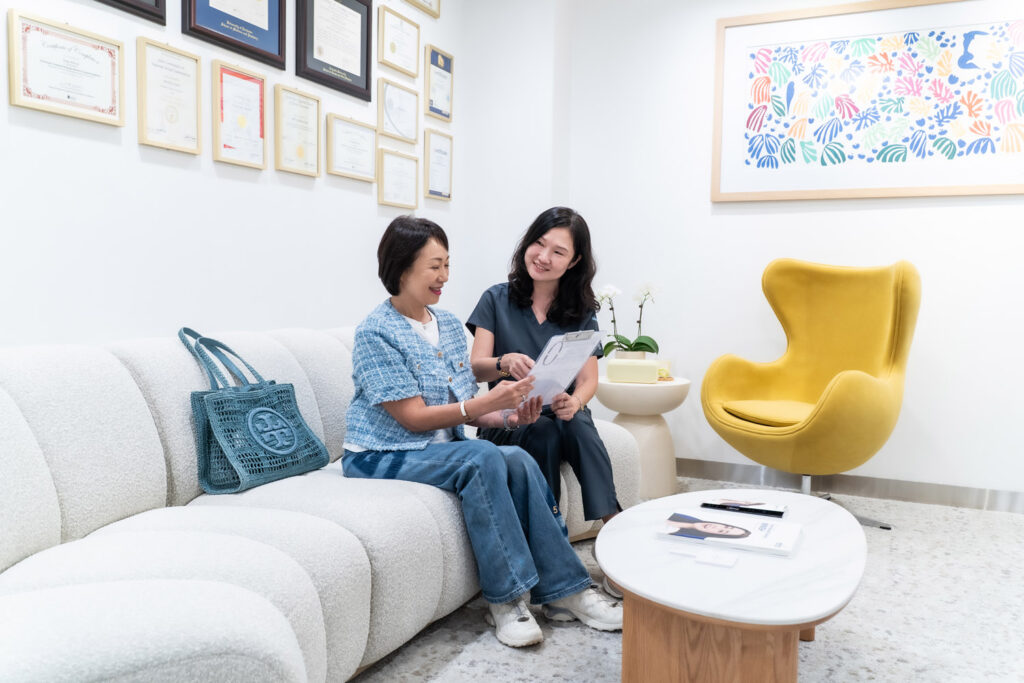
Misora provides dedicated Korean and Japanese coordinators to support patients from enquiry through consultation and aftercare. Consultations can be conducted in Korean or Japanese where required.
Veneers address a range of aesthetic concerns, including discolouration that does not respond to whitening, chipped or worn edges, uneven spacing, and minor irregularities in tooth shape or proportion.
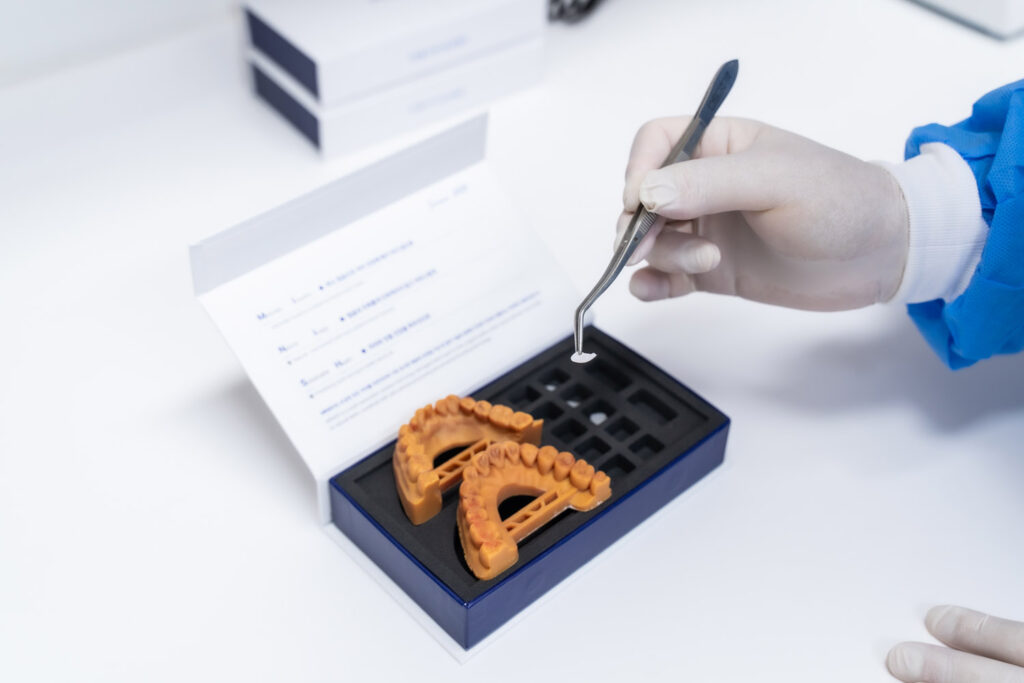
Custom-fabricated at a dental laboratory. Durable, stain-resistant, and designed to mimic the light-reflecting properties of natural enamel. Minimal tooth preparation is required. Fabrication typically takes around two weeks, with temporary veneers placed during this period.
Veneers can address concerns not resolved by whitening, including structural discolouration and minor chips. Suitability depends on individual clinical assessment.
Porcelain veneers typically require less than 1 mm of enamel reduction. This is more conservative than crowns where clinically appropriate.
Porcelain is resistant to staining from food and beverages. This reflects a material property, not a guarantee of permanent whiteness.
| Suitable for Veneers | Generally Not Suitable |
|---|---|
|
|
A structured approach that prepares the teeth before veneer placement. The aim is to minimise enamel reduction, establish a stable base shade, and ensure the final result is placed on aligned, healthy teeth.
Where bite or spacing concerns are present, alignment is addressed first. Placing veneers on well-aligned teeth reduces enamel adjustment and supports a more stable long-term result.
The underlying shade of natural teeth affects how porcelain veneers appear. Where brightening is clinically appropriate, it is carried out before veneer fabrication so the laboratory can match to a lighter, more consistent base.
Veneers are digitally designed, fabricated by a specialist dental laboratory, and placed using precise bonding techniques. A temporary mock-up is provided before any irreversible tooth preparation.
Veneers are not Medisave-claimable. Fees are discussed at consultation.
Veneer fees at Misora depend on the number of teeth being treated and the clinical complexity of your case. A clear fee estimate is provided during consultation after a thorough clinical examination. Fees are quoted as exact amounts.
The longevity of veneers depends on bite forces, patient habits, including bruxism, and ongoing care. Porcelain veneers can provide a durable aesthetic result for many years with appropriate maintenance. No specific lifespan can be guaranteed, as this depends on individual circumstances and long-term care.
Tooth preparation for porcelain veneers can be carried out under local anaesthetic for comfort, but anesthesia is not always required. Mild sensitivity after preparation is common and usually settles within a few days. What to expect is explained at each stage before treatment proceeds.
No. Veneers are classified as an aesthetic procedure and are not Medisave-claimable under CPF Board guidelines.
Veneers require the same fundamental care as natural teeth, including regular brushing, flossing, and professional cleaning, with some additional precautions. Avoid biting hard objects with veneered teeth. If you grind your teeth, an occlusal guard may be recommended. Regular check-ups allow the veneers to be reviewed and any concerns addressed early.
Porcelain veneers involve minimal but irreversible tooth preparation. They cannot simply be removed with the tooth returned to its original state. Thorough assessment and careful treatment planning are therefore essential before proceeding.
Start with a careful assessment and clear guidance. Fees are shared transparently at consultation.