
Have a conversation with us to understand if clear aligners are suitable for you, starting with a thorough assessment.
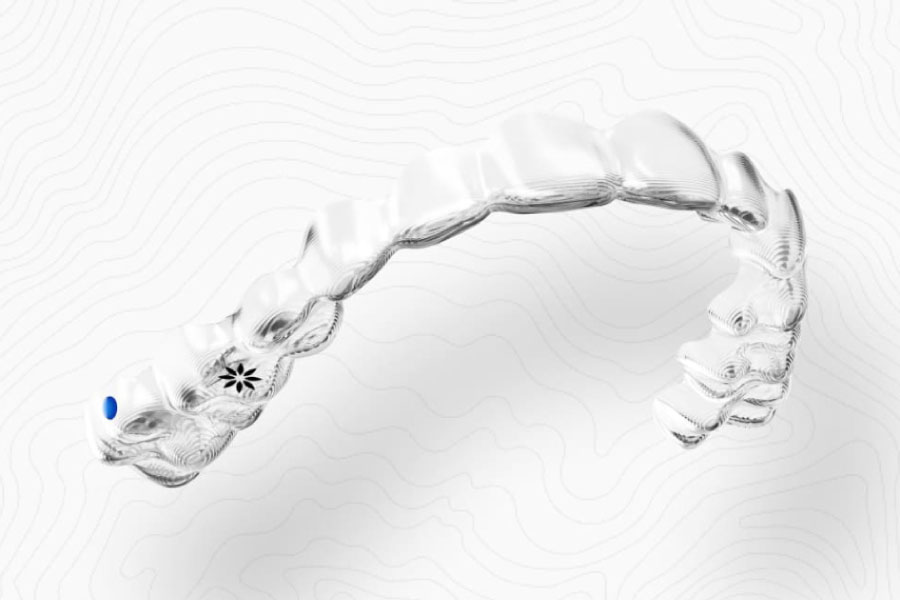
Invisalign is a clear aligner system used to straighten teeth without fixed braces. It uses a series of custom-made, removable trays designed to gradually move teeth into the planned position.
Each aligner tray is worn for approximately one to two weeks before being replaced by the next in the sequence. Each tray applies controlled, incremental forces to guide tooth movement. Aligners must be worn for 20 to 22 hours per day for treatment to progress as planned, and patient compliance is a key factor in outcomes.
The scope of what aligners can treat has expanded with advances in aligner technology and attachment design. However, limitations remain, and clinical assessment is required to determine whether Invisalign is suitable for your case.
Orthodontic needs vary by age and stage of dental development. Suitability is assessed individually, with clear advice on whether Invisalign or fixed braces are more appropriate.
| Group | Suitability | Details |
|---|---|---|
| Adults | Discreet, removable, clinically monitored | Clear aligners are suitable for adults with mild to moderate spacing, crowding, or bite concerns. Aligners can be removed for eating and cleaning, with no dietary restrictions. Fixed braces may be recommended where more precise three-dimensional control is required. |
| Teens | Alignment during the right stage | Teens with a full set of permanent teeth may be suitable for Invisalign, provided daily wear of 20 to 22 hours is maintained. Where compliance is uncertain, fixed braces may offer a more consistent approach. Bite, bone structure, and dental history are assessed before recommendation. |
| Children | Timing matters, early assessment advised | Orthodontic treatment in children depends on the stage of dental development and eruption of permanent teeth. Appropriate timing is advised following assessment. Early review allows monitoring before active treatment is indicated. Not all children require early intervention. |
Fixed braces straighten teeth and correct bite concerns using small brackets bonded to the teeth and a wire that is adjusted over the course of treatment. The wire guides teeth into the planned position. Because braces stay in place, they do not depend on daily wear time the way removable aligners do.
At Misora, Invisalign and fixed braces are considered together at the assessment stage. Which option is recommended depends on the type and complexity of the case, the amount of tooth movement involved, and what matters to you. In some cases fixed braces give more control over particular movements; in others, clear aligners are equally suitable. This is talked through openly during the consultation.
Fixed braces may be advised for more involved crowding, rotations, or bite corrections, where continuous, controlled force is helpful. They can also suit patients for whom remembering to wear removable aligners is difficult, including some younger patients. Suitability is assessed case by case, and the reasons for any recommendation are explained before treatment begins.
Depending on clinical needs and personal preference, different bracket options may be available. Metal braces are the conventional choice, while tooth-coloured ceramic braces are less noticeable on the teeth. The options are discussed during the consultation, alongside clear aligners, so the final choice reflects both clinical suitability and your own priorities.
Fixed braces call for a little more attention to cleaning, as food and plaque can gather around brackets and wires. Guidance on brushing, diet, and easing any minor discomfort is provided at each stage. Regular reviews allow the wire to be adjusted and let the clinical team monitor bite and gum health throughout treatment.
Treatment duration varies by case and depends on the degree of tooth movement required, the number of aligners planned, and patient compliance with wear.
A more specific estimate is provided at the treatment planning stage, once digital scans are completed and the ClinCheck plan is generated. Refinement phases are common and form a normal part of treatment.
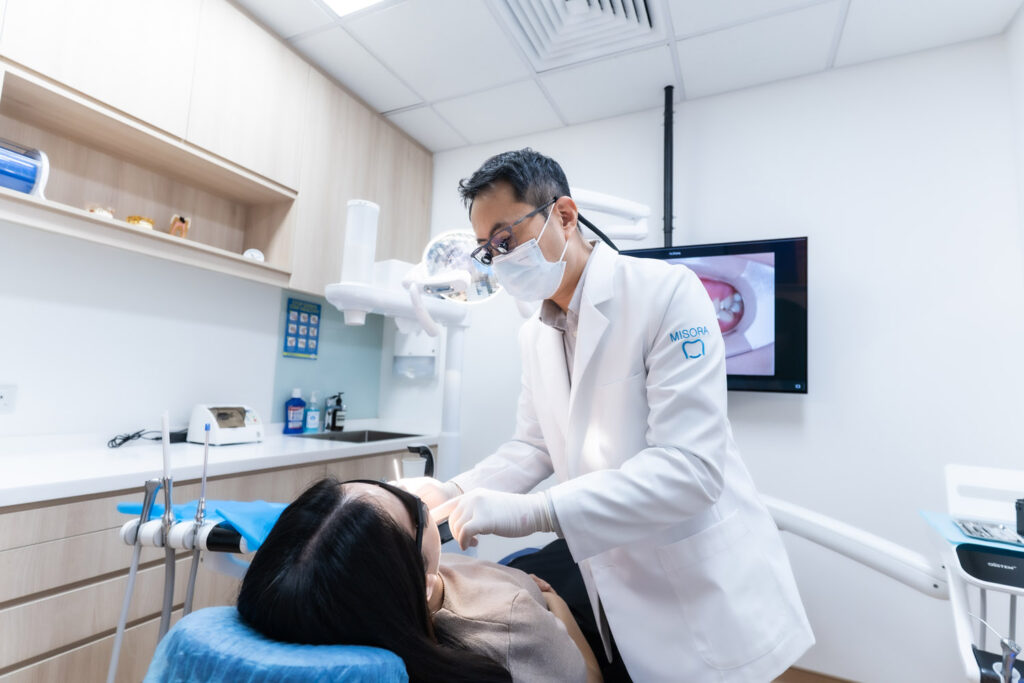
Suitability depends on the type and severity of the orthodontic condition, as well as bite, bone structure, and dental history. Not all cases are suitable. Where fixed appliances provide better control, this is advised following a thorough assessment.
Both can work well, and the right option comes down to your case. Invisalign offers a removable, discreet approach for suitable cases, while fixed braces may give more control for complex movements or where consistent wear is a concern. Both are assessed together, and a recommendation follows a thorough clinical assessment.
Fixed braces may suit teens and, in some cases, children, depending on dental development and the eruption of permanent teeth. Timing is assessed individually, and an early review allows monitoring before active treatment is needed. Not all children require early intervention.