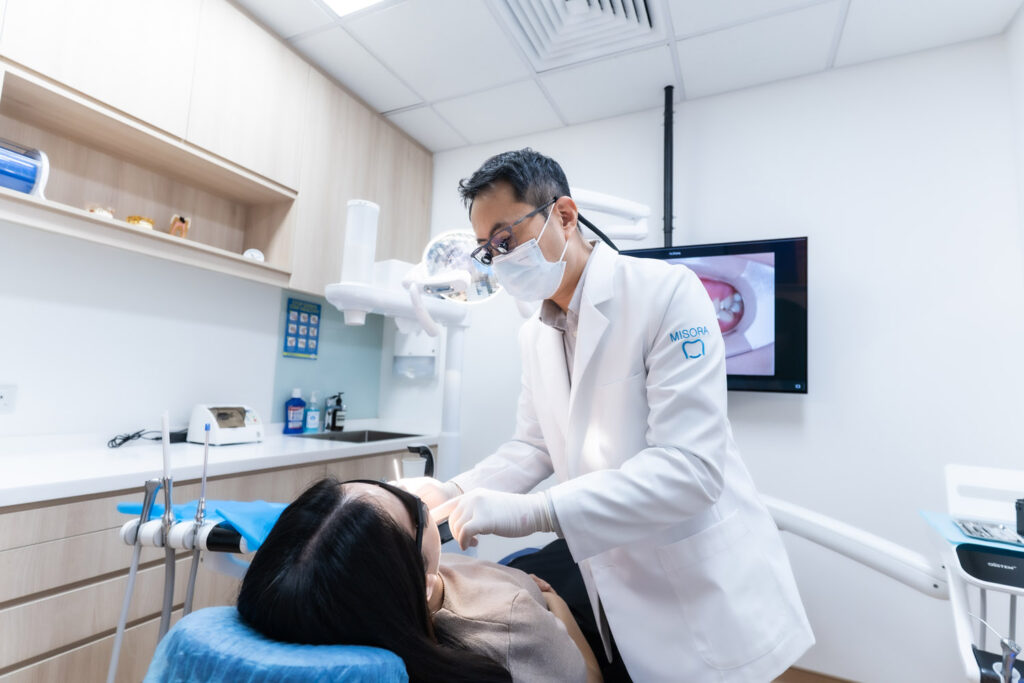
Have a conversation with us to understand if clear aligners are suitable for you, starting with a thorough assessment.
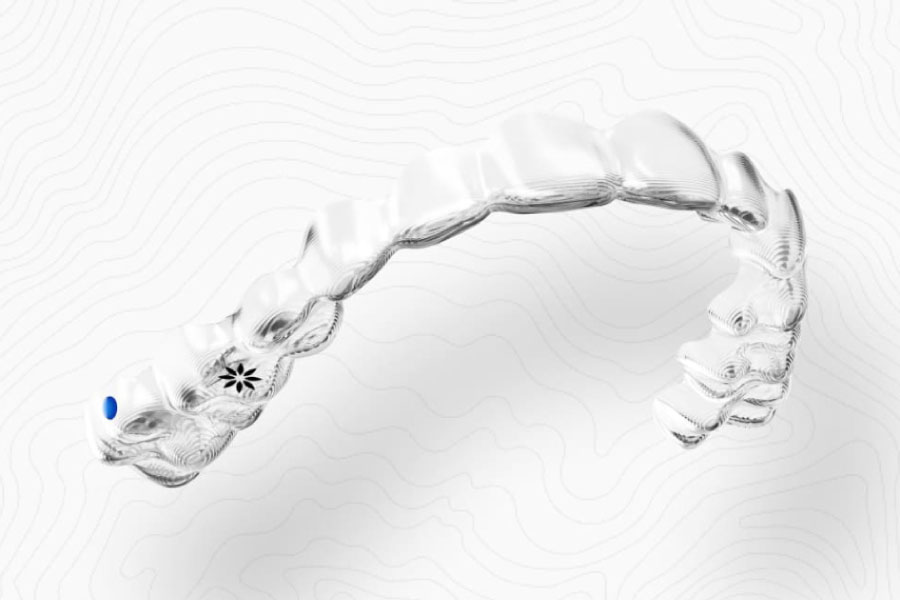
Invisalign is a clear aligner system used to straighten teeth without fixed braces. It uses a series of custom-made, removable trays designed to gradually move teeth into the planned position.
Each aligner tray is worn for approximately one to two weeks before being replaced by the next in the sequence. Each tray applies controlled, incremental forces to guide tooth movement. Aligners must be worn for 20 to 22 hours per day for treatment to progress as planned, and patient compliance is a key factor in outcomes.
The scope of what aligners can treat has expanded with advances in aligner technology and attachment design. However, limitations remain, and clinical assessment is required to determine whether Invisalign is suitable for your case.
| Group | Suitability | Details |
|---|---|---|
| Adults | Discreet, removable, clinically monitored | Clear aligners are suitable for adults with mild to moderate spacing, crowding, or bite concerns. Aligners can be removed for eating and cleaning, with no dietary restrictions. Fixed braces may be recommended where more precise three-dimensional control is required. |
| Teens | Alignment during the right stage | Teens with a full set of permanent teeth may be suitable for Invisalign, provided daily wear of 20 to 22 hours is maintained. Where compliance is uncertain, fixed braces may offer a more consistent approach. Bite, bone structure, and dental history are assessed before recommendation. |
| Children | Timing matters, early assessment advised | Orthodontic treatment in children depends on the stage of dental development and eruption of permanent teeth. Appropriate timing is advised following assessment. Early review allows monitoring before active treatment is indicated. Not all children require early intervention. |
Treatment duration varies by case and depends on the degree of tooth movement required, the number of aligners planned, and patient compliance with wear.
A more specific estimate is provided at the treatment planning stage, once digital scans are completed and the ClinCheck plan is generated. Refinement phases are common and form a normal part of treatment.